How glass guitar slides are made
A glass slide starts as a bottle or a length of tube and ends up as a smooth, comfortable ring through a handful of simple, patient steps.
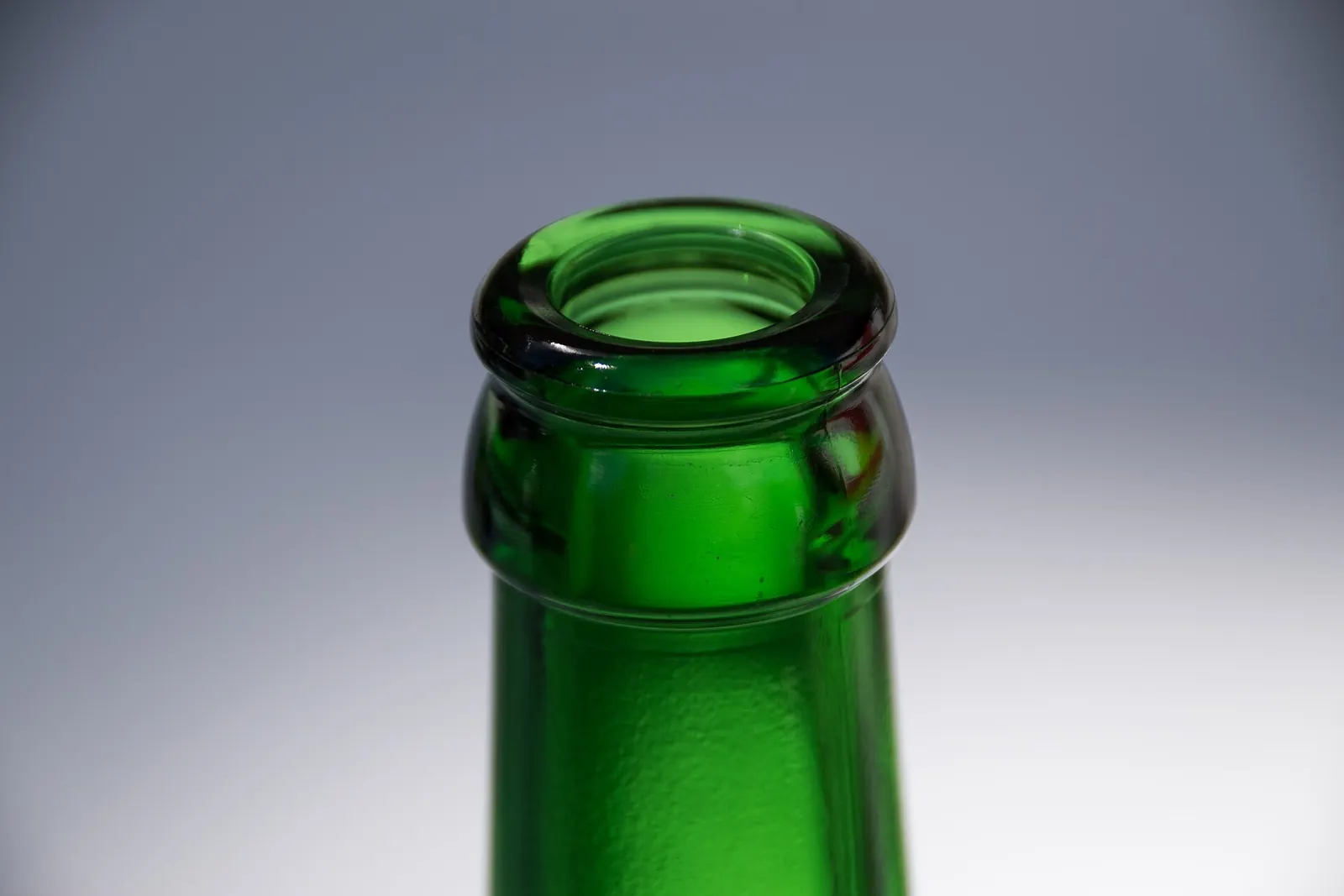
Where the glass comes from
Many glass slides begin life as ordinary bottles. The neck of a bottle has a fairly even wall and a rounded shape that already suits a finger, which is why the word "bottleneck" stuck to the style of playing. Others are cut from plain glass tubing made for the purpose.
Recycled bottle glass works well because it is thick enough to feel solid on the strings, and it comes in many colours. It also gives each slide a slightly different character in weight and tone.
The main steps
- Choose and clean. The bottle is washed and checked for flaws such as bubbles, thin spots or cracks, which would make a weak slide.
- Score and separate. A ring is scored around the neck at the right point. Heat and a quick change in temperature then make the glass part along that line. Some makers use a diamond saw instead.
- Grind the edges. The raw cut is sharp and uneven. It is worked on a grinding wheel or with abrasive grit until it is flat and square.
- Smooth the inside and outside. Finer and finer abrasives remove scratches, so the bore does not nip the finger and the rim does not catch a string.
- Polish. The final stage brings back the shine. Some makers also fire-polish the ends, using a flame to round them gently.
Why the finish matters
A slide touches the strings all the time, so any rough patch shows up as a scratchy noise or a snagged string. A well-made edge is rounded, even and clean all the way round, with no chips or tiny flakes.
What to look for in a finished slide
- Run a fingertip around both rims. They should feel soft and continuous, with no ridge or nick.
- Look through the wall. Even thickness is a good sign. Large bubbles or cloudy streaks can mean weak spots.
- Check the bore. The inside should be smooth, since that is where your finger sits for long sessions.
- Test the fit. A slide should sit snugly without squeezing, and not slip when your hand warms up.
- Consider the weight. A heavier wall tends to sustain notes longer, while a thin one feels lighter and quicker under the hand.
Looking after glass
Glass is tougher than it looks, but a hard knock on a tile floor can still chip it. Keep it in a small pouch or case, and wipe it with a soft cloth after playing to clear skin oils and string residue. If a rim ever chips, stop using it, because a rough edge can damage strings and fingers.
Where to go next
If you are curious about the different styles of slide, take a look at the slide guide. For the story of how bottles became part of guitar playing, read the history of slide guitar, and for getting started with open tunings, see the tuning guide.