The history of slide guitar
Slide guitar is the art of gliding a smooth object along the strings, and its story runs from Hawaii and the American South to electric blues and rock.
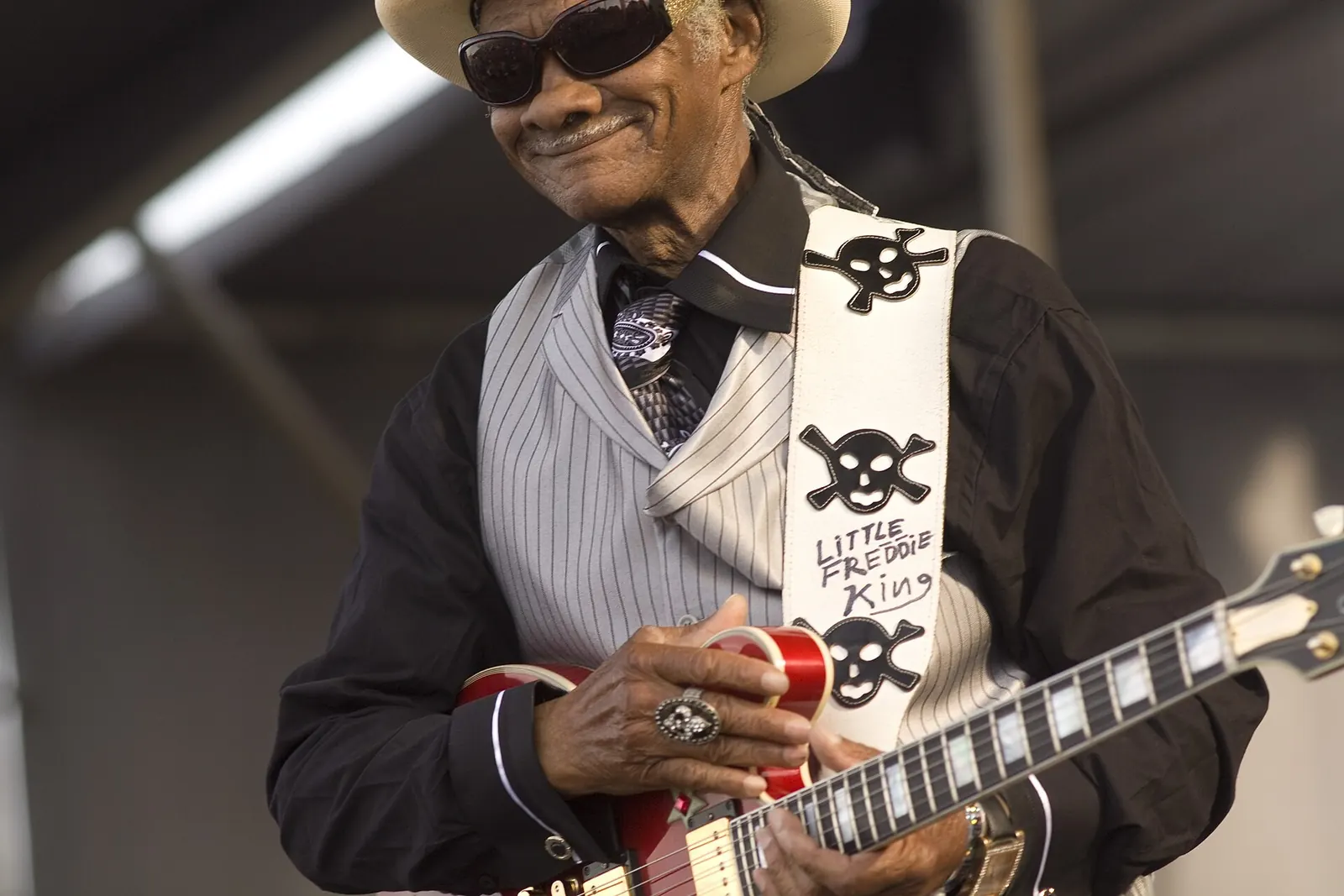
Few guitar sounds are as easy to recognise as a slide moving along a string. The voice-like glide between notes has been part of popular music for well over a century. Here is a plain account of where it came from and how it spread.
Where the idea came from
Nobody can point to a single inventor. Sliding a smooth object along a taut string is a very old and simple idea, and similar sounds appear in several folk traditions around the world. In the American South, players used a knife blade, a piece of metal tubing or the neck of a glass bottle. The one-string instrument known as the diddley bow is often linked to this early experimenting.
The Hawaiian influence
In the late 1800s, Hawaiian musicians developed a style of playing the guitar flat on the lap, using a polished steel bar to change the pitch. This became known as Hawaiian steel guitar, and it is usually credited to Joseph Kekuku, though the exact details of its invention are debated. Open tunings, where the strings sound a chord when played unfretted, became central to the style.
Touring Hawaiian musicians and early recordings carried the sound to the mainland United States in the early 20th century. It reached country, gospel and blues players, and it shaped instruments such as the resonator guitar and the later pedal steel.
Slide in the Delta and the early blues
In the Mississippi Delta and across the wider South, blues players adopted the slide and held it in the upright, conventional guitar position. Bottlenecks and metal tubes worn on a finger let singers answer their own lines on the strings. Well-known names from the 1920s and 1930s include:
- Charley Patton, a foundational Delta figure.
- Son House, known for fierce, rhythmic slide and singing.
- Robert Johnson, whose small body of recordings is still widely studied.
- Blind Willie Johnson, a gospel player with a remarkable slide style, often played with a knife.
- Tampa Red, admired for a smooth, clean tone.
The metal-bodied resonator guitar, introduced in the late 1920s, gave slide players a louder voice before amplification was common.
Electric blues takes over
As players moved north to cities such as Chicago and plugged in after the Second World War, slide became louder, sustained longer and gained a sharper edge. Muddy Waters became one of the great voices of this electric sound, and Elmore James is remembered for a ringing, urgent style, especially his famous opening phrase on "Dust My Broom". Hound Dog Taylor brought a raw, high-energy approach to the same tradition.
Rock, soul and beyond
From the 1960s, rock guitarists took up the slide and pushed it into new settings. Some of the best-known names are:
- Duane Allman, whose singing slide lines defined much of the Southern rock sound.
- Bonnie Raitt, admired for her expressive, subtle touch.
- Ry Cooder, who explored slide across many world and roots styles.
- Derek Trucks, a leading modern player who works without a pick.
- Rory Gallagher and Johnny Winter, both known for powerful electric slide playing.
Slide also lives on in country, gospel, folk and the sacred steel tradition, and in the work of many players who never became household names.
How the slide itself changed
Early slides were improvised from whatever was to hand. Over time, makers began producing purpose-made slides in glass, brass, steel, ceramic and other materials. Each gives a slightly different tone and feel, from the warm, soft sound of glass to the bright bite of metal. If you want to try one yourself, the slide shop page explains the options, and the tuning guide covers the open tunings so many classic recordings rely on.
Where to go next
A good way to understand the history is to listen to the players above in roughly the order they appear here. You will hear the same simple idea develop over decades. For more reading and listening, see the books page and the useful links.